Summary
- Negative leave occurs when an employee takes more paid leave than they have accrued, effectively borrowing against future entitlements, and is a discretionary arrangement not mandated under the Fair Work Act 2009.
- Employers are not obligated to approve negative leave requests and should assess each request individually, considering the employee’s circumstances, business operational needs, and potential impacts on other staff members.
- If an employee resigns or is terminated before clearing a negative leave balance, employers may request repayment of the equivalent value, though direct wage deductions are only permissible in exceptional circumstances.
- This article is a guide to negative leave for employers in Australia, explaining how to manage employees with negative leave balances and the legal considerations involved.
- LegalVision is a commercial law firm that specialises in advising clients on employment law and workplace relations matters.
Tips for Businesses
Establish a clear written negative leave policy outlining approval criteria, repayment obligations, and the process for managing balances upon termination. Communicate this policy to all employees before approving any requests. Assess each negative leave request individually, documenting your reasoning to demonstrate consistent and fair decision-making across your workforce.


Negative leave occurs when an employee takes more leave than they have accrued, effectively borrowing against future entitlements. While it is not addressed in the Fair Work Act 2009 (‘the Act’), many employers offer it as a discretionary arrangement to support staff through unexpected circumstances. This article explains how you can manage employees with a negative leave balance or those who are looking to take negative leave.
What is Negative Leave?
Negative leave occurs when an employee takes more leave than they have accrued, resulting in a negative leave balance. For this to occur, employees must be paid for this period of leave. This means that the employee has effectively borrowed leave from their future accruals.
It is important to remember that you can agree to allow employees to take unpaid leave. A period of agreed-upon unpaid leave will not result in negative leave, as the employee will not have accessed any accrued leave entitlements.
It is important to note that negative leave is not an entitlement under the Act; it is a discretionary arrangement you may choose to offer. You are not under an obligation to allow employees to go into negative leave, and the decision ultimately rests with you.
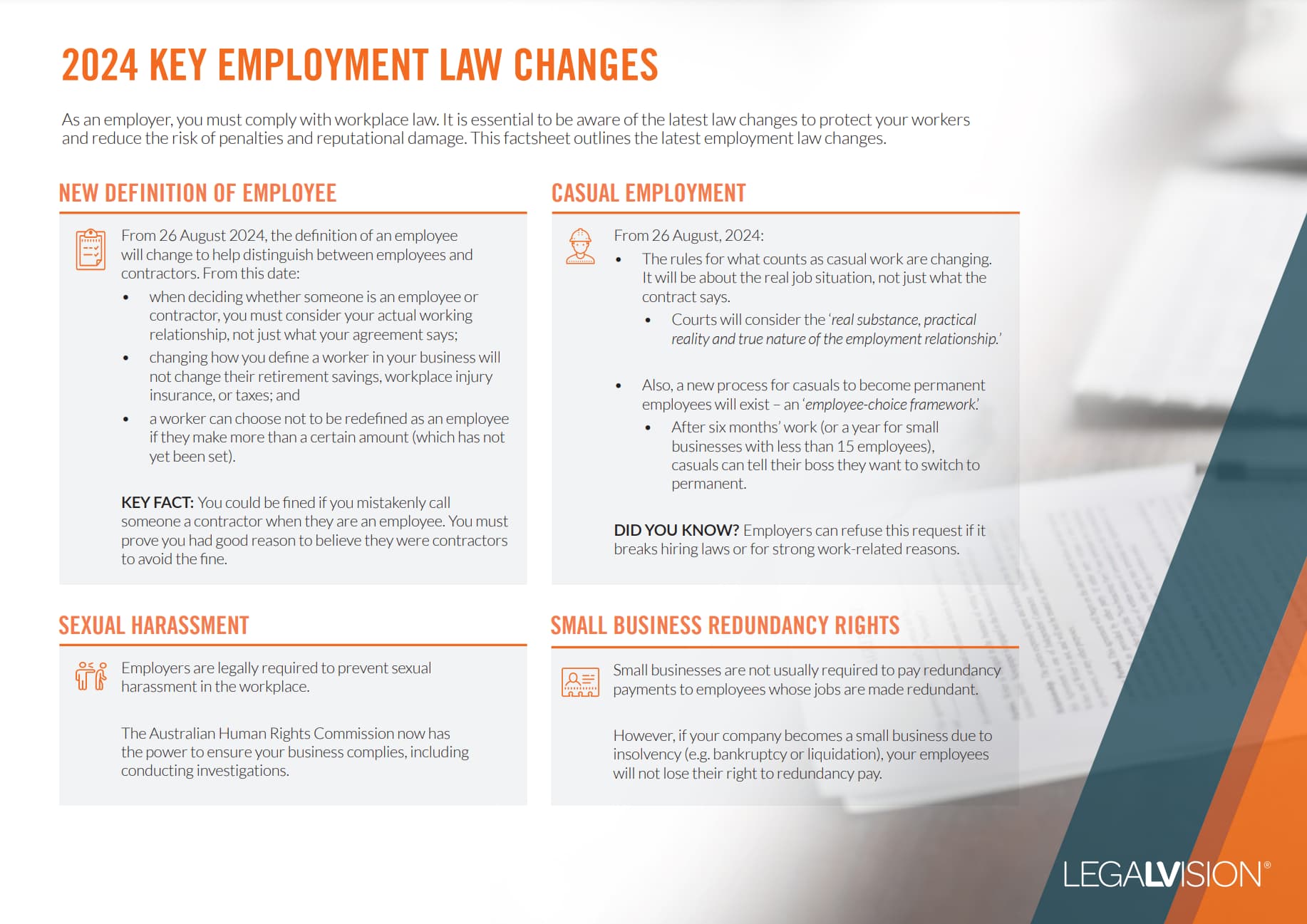
As an employer, it is essential to understand what employment laws have changed and their implications for your business — particularly the changes to the Fair Work Act 2009 through the new Closing the Loopholes legislation.
When Would Employees Take Negative Leave?
Employees may request to take negative leave in various situations, such as:
- Personal emergencies or unforeseen circumstances: In cases of personal or family emergencies, illness, or other unexpected events, employees may need to take time off work even if they have exhausted their leave entitlements;
- Planned events or commitments: Sometimes, employees may need to take leave for planned events or commitments, such as weddings, vacations, or major life events, and their accrued leave may not be sufficient; or
- Extended leave requirements: Employees with significant leave needs, such as those recovering from a serious illness or injury, may require more leave than they have accrued.
You should carefully consider each request for negative leave on a case-by-case basis, taking into account the employee’s circumstances, the business’s operational needs, and any potential impacts on other employees.
Continue reading this article below the formCall 1300 544 755 for urgent assistance.
Otherwise, complete this form, and we will contact you within one business day.
What Are the Impacts of Negative Leave?
Allowing employees to take negative leave can have several impacts on their employment, including:
- Reduced future leave accruals: When an employee takes negative leave, their future leave accruals will reduce until the negative balance clears. This means that they may have limited leave available for an extended period;
- Potential termination implications: If an employee resigns or you terminate them before clearing their negative leave balance, they may owe an amount to you, their employer; or
- Impact on leave loading and other entitlements: Negative leave balances can affect the calculation of leave loading and other entitlements based on accrued leave balances.
Can You Require Employees to Repay Negative Leave?
Whether an employer can require an employee to repay negative leave depends on the:
- specific circumstances;
- terms of their employment contract; and
- relevant policies at your business.
Generally, if an employee resigns or you terminate them before clearing their negative leave balance, you may request that the employee pay the equivalent value. It is important to remember that only under exceptional circumstances may an employer deduct an amount from employee wages.
However, if the employee continues to work and accrue leave, their future leave accruals will gradually offset the negative balance. In this case, you cannot directly require the employee to repay the negative leave in monetary terms.
Key Takeaways
Negative leave is a discretionary arrangement that you may offer employees who have exhausted their accrued leave entitlements but need additional time off work. However, this may negatively impact their employment, including reduced future leave accruals. If your employee continues to work, their future leave accruals will offset the negative balance. However, if they resign or undergo termination, you may request they pay back the negative balance. Therefore, you should have clear policies and procedures and communicate these to your employees. Overall, you must carefully evaluate each request for negative leave on a case-by-case basis, considering the employee’s circumstances and your business’ operational needs.
If your employees request negative leave, LegalVision provides ongoing legal support for all businesses through our fixed-fee legal membership. Our experienced employment lawyers help businesses across industries manage contracts, employment law, disputes, intellectual property, and more, with unlimited access to specialist lawyers for a fixed monthly fee. To learn more about LegalVision’s legal membership, call 1300 544 755 or visit our membership page.
Frequently Asked Questions
No, employers are not obligated to allow negative leave. It is a discretionary arrangement, and the decision to approve it rests with the employer.
If an employee resigns with a negative leave balance, the employer may request repayment of the equivalent value, depending on the terms of the employment contract and relevant policies.
Future leave accruals reduce until the negative balance clears, leaving the employee with limited available leave for an extended period. If employment continues, future accruals gradually offset the negative balance automatically.
Only under exceptional circumstances can employers deduct amounts from employee wages. Generally, repayment discussions arise when employment ends before the employee clears their negative leave balance.
We appreciate your feedback! Request your free consultation now.