
In Short
A disclosure statement outlines proposed commercial terms for a retail lease but is not legally binding. The lease itself governs the legal relationship between landlord and tenant. Differences between the disclosure statement and the lease may give tenants rights, depending on timing and state laws.
Tips for Businesses
Check the disclosure statement carefully against the draft lease before signing anything. If terms differ, raise them early and negotiate corrections in the lease. If you have already signed and the disclosure was materially false or misleading, act quickly, as rights to terminate or claim compensation are time-limited and vary by state.
Summary
This explanation outlines how disclosure statements work in Australian retail leases and how they interact with lease terms for retail tenants. It is prepared by LegalVision’s business lawyers, who specialise in advising clients on Australian retail leasing and disclosure requirements.


A disclosure statement is a document that is provided to a retail tenant by its landlord, which outlines the details of the premises and the commercial terms as agreed between the parties. A disclosure statement usually cannot override a lease. However, you should check the rules on timing where the disclosure differs from the lease terms. This article explains that disclosure statements outline commercial terms for retail leases, but only the lease itself is legally binding.
Is a Disclosure Statement Binding?
A disclosure statement reflects the commercial terms agreed by the tenant and landlord, confirming that the information the landlord states as true when given. It does not contain any conditions that are binding between the parties, only providing guidance for the landlord and tenant for the details of the commercial terms of the lease. A disclosure statement does not require you to enter into a lease or sign lease documents. You should only use the statement as a guide.
Where Does a Lease Differ From a Disclosure Statement?
A disclosure statement is legally required and provides essential property and commercial information before the tenant commits. By comparison, a lease is a legally binding agreement that regulates the relationship between landlord and tenant for the duration of the tenancy, outlining the rights, responsibilities, and available remedies for both parties. While the disclosure statement offers clarity and safeguards for the tenant, it is only the lease that establishes legally enforceable duties between the parties.
Continue reading this article below the formCall 1300 544 755 for urgent assistance.
Otherwise, complete this form, and we will contact you within one business day.
What Happens if the Disclosure Statement is Different From the Lease Terms?
If a landlord provides a disclosure statement that is different from the lease agreement that you have been provided, you can often negotiate the terms with the landlord relying on the terms agreed in the disclosure statement. Alternatively, you could also rely on a heads of agreement document, if previously negotiated and signed by both parties.
If you have signed both documents and the disclosure is materially false or misleading, you may have rights. You may claim compensation or terminate the lease agreement. These rights differ between states. You usually must exercise them within three to six months. Consider whether the disclosure statement mentions planned redevelopment or works affecting the premises. Also check for works likely to impact the tenancy.
You may seek compensation or terminate the lease if it differs from the disclosure statement and creates an unfavourable, unagreed position. The landlord should ensure the disclosure statement accurately reflects the lease terms to minimise this risk.
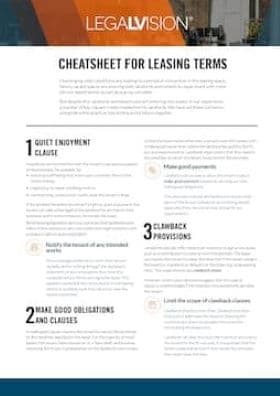
This cheat sheet explains the key clauses you need to be aware of as a landlord in a lease agreement.
Key Takeaways
A disclosure statement rarely overrides a lease unless the lease terms are materially false. For example, this may occur if the outgoing estimates are incorrect. It is important to understand how both documents interact to clarify the lease terms. Moving forward, you should ensure that you pay particular attention to the terms of the disclosure statement, especially when negotiating your position in the lease agreement.
If you require further information regarding disclosure statements, LegalVision provides ongoing legal support for all businesses through our fixed-fee legal membership. Our experienced leasing lawyers help businesses across industries manage contracts, employment law, disputes, intellectual property, and more, with unlimited access to specialist lawyers for a fixed monthly fee. To learn more about LegalVision’s legal membership, call 1300 544 755 or visit our membership page.
Frequently Asked Questions
No. A disclosure statement is not legally binding and does not override the lease. It outlines the commercial terms and information provided by the landlord to help you understand the proposed lease. Only the lease itself creates enforceable legal rights and obligations between the landlord and tenant.
If the disclosure statement differs from the lease, you may be able to negotiate the lease terms based on the disclosure or any agreed heads of agreement. If the disclosure is materially false or misleading and you have already signed, you may have rights to compensation or termination, depending on the state and timing.
We appreciate your feedback – your submission has been successfully received.